
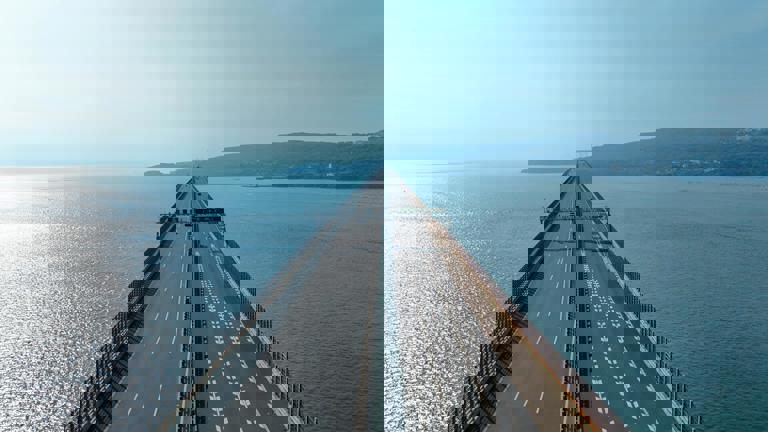
Repair works have commenced along the battered stretch of the coastline where engineers and repair crews are reinforcing a vital sea wall to combat the mounting threat of tide erosion. The project was launched promptly after leading coastal scientists issued warnings that unchecked erosion and storm surges could severely damage a main transport artery running parallel to the shoreline. This route is critical for daily commuters, local businesses, and emergency services alike.
Local authorities responded rapidly to the expert warnings, allocating emergency funds and mobilising specialist contractors with experience in coastal defence projects. The reinforced sea wall is designed to absorb the energy from increasingly volatile tides and protect the roadway from both direct impact and long-term undermining. Officials have emphasised the urgency of the project, citing recent storms that brought record waves within metres of the road’s edge.
According to Dr. Emma Clarke, a coastal geologist at the National Oceanographic Centre, "Storm surges are growing in both frequency and intensity along this part of the shoreline, accelerating erosion at a rate we have not previously observed." Dr. Clarke's comments reflect a growing consensus among climate scientists that extreme weather events are likely to intensify due to ongoing climate change, further threatening crucial coastal infrastructure.
The sea wall fortification process involves not only repairing existing structural damage but also the installation of new materials designed to withstand future storm events. Engineers are using a combination of modern concrete mixes, interlocking steel barriers, and strategically placed rock armour to maximise resilience. The design takes into account both current conditions and future predictions for sea level rise, based on the latest environmental models.
Community members and local business owners have voiced both concern and relief at the news of the urgent repairs. Many recall recent winters where transport disruptions caused by flooding and falling debris led to significant detours and economic losses. “We depend on this road for everything—from deliveries to school runs,” said David Hughes, owner of a nearby cafe. “Knowing the council is taking action gives us a bit of hope.”
The repair crews themselves are working round the clock to expedite the project, with shifts continuing late into the evening under temporary lighting. This fast-tracked schedule is necessary to complete the most critical reinforcements before the season’s next high tides are expected. Project manager Laura Brennan confirmed, "Our teams are operating under a strict timeline, prioritising safety for the workers and minimising disruption for local residents."
Environmental considerations are playing a key role in the project design. Planners consulted with ecologists to minimise any negative impact on coastal wildlife and habitats, taking care to avoid the most sensitive breeding periods for local birds and marine species. Measures include temporary fencing and monitoring to prevent accidental disturbance. The council has stated its ongoing commitment to balancing necessary infrastructure with environmental stewardship.
Funding for the sea wall works has been sourced from a combination of local government reserves and a recently awarded central government grant targeting climate resilience projects. Councillor Mark Evans, head of infrastructure, described the grant as a vital boost that enabled the works to begin ahead of schedule. “These kinds of projects are expensive but absolutely essential for long-term community safety and wellbeing,” Evans remarked.
As the project progresses, real-time monitoring equipment is being installed to track shifts in the wall’s integrity and local shoreline changes. This technology will provide both engineers and authorities with crucial data, enabling ongoing maintenance and early warning of potential problems. Local schools are also partnering with university researchers to involve students in citizen science projects, studying the changing coastline as part of their curriculum.
In the longer term, planners are exploring additional defences further inland and revised land use strategies to manage future risks. Proposals include buffer zones, managed realignment, and natural flood management techniques utilising restored wetlands. These measures, combined with the current reinforcements, are part of a broader regional plan to address climate adaptation and build greater resilience into vital infrastructure.
Residents and commuters are advised to follow local updates on road closures and alternative routes as the project moves through its critical phases. The council has set up a dedicated web portal and staffed a helpline to answer queries and receive public feedback. As repair works continue, officials, experts, and the community are united in recognising the importance of protecting the coastline—a shared responsibility underscored by the ever-present forces of nature.