
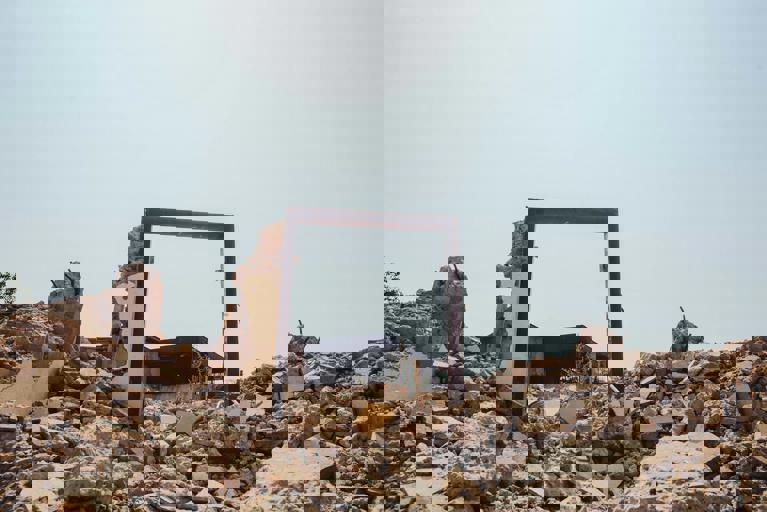
A recently released government-commissioned environmental audit has uncovered significant flaws in a multi-billion pound transport infrastructure project, igniting a heated debate within Parliament. The independent report, undertaken over the last eighteen months, casts doubt on the project's adherence to environmental standards and highlights a series of unforeseen ecological impacts. Lawmakers are now facing mounting pressure to address critical shortcomings before further phases of the development progress, raising questions about governmental oversight and responsibility.
Among the report's most troubling findings are inadequacies in the environmental risk assessments completed prior to the project’s launch. The auditors found that initial studies substantially underestimated the disruption to local habitats and failed to account for certain protected species in the affected region. The oversight has led to unexpected costs as emergency mitigation measures were put into place, underscoring gaps in the original planning process that have since drawn criticism from opposition MPs and environmental campaigners alike.
The revelation of these unexpected impacts has sent ripples throughout the scientific community. Dr. Eleanor Price, a conservation ecologist consulted during the audit, stated, “The lack of comprehensive baseline data meant many rare and endangered species were simply overlooked.” She highlighted how restoration plans have become exponentially more complex, as ongoing construction work continues to disturb delicate ecosystems, forcing authorities to reassess their approach to environmental stewardship within infrastructural projects of this magnitude.
Financial implications have also become a central point of concern following the audit’s publication. The initial project budget, which was already one of the largest allocations for public works in recent years, is now at risk of significant overruns. Recent estimates suggest that the additional safeguarding and remediation measures required to address the audit’s findings could cost taxpayers hundreds of millions of pounds more than originally projected, potentially delaying other much-needed investments.
In response to the report, the Department for Transport has acknowledged the audit’s significance while defending the overarching aims of the project. A spokesperson commented, “We are committed to balancing essential infrastructure improvements with responsible environmental practices. Steps are already being taken to strengthen oversight and ensure full compliance with the recommendations set out in this audit.” Nonetheless, critics say greater transparency and accountability are still required.
The issue has reignited political divisions across party lines, with opposition leaders calling for a full parliamentary inquiry into the project’s management. Shadow Transport Secretary Lisa Bennett declared, “The findings of this audit cannot be ignored. We owe it to the public and future generations to make sure infrastructure projects are delivered sustainably, responsibly, and with the highest level of scrutiny.” calls for a pause on construction are now gaining traction.
Environmental advocacy groups have seized upon the audit to pressure the government for broader reforms. Friends of the Earth spokesperson Marcus Linley argued, “For too long, economic imperatives have eclipsed environmental responsibilities in major infrastructure decisions. This audit should be a wake-up call for a systemic overhaul of how such projects are evaluated, approved, and managed from the outset.” Many groups are now demanding stricter statutory requirements for future developments.
Residents affected by the ongoing construction have voiced mixed reactions to the audit’s conclusions. Some have welcomed the increased attention to environmental issues and safeguards, while others worry that any delays in completion could hamper access to vital services or exacerbate local economic challenges. Business owners along the route have called for urgent resolution, emphasizing the need for planning that weighs both economic and ecological priorities.
Moving forward, members of the parliamentary select committee on the environment have scheduled a series of hearings to scrutinize the audit's recommendations in detail. These sessions are set to include testimony from independent environmental experts, project managers, and representatives from impacted communities. Lawmakers believe that a thorough and transparent review process is essential for restoring public trust and ensuring better outcomes for future infrastructure projects.
As the national debate unfolds, the outcome of this audit is likely to set a precedent for how major public works projects are designed, implemented, and monitored in the United Kingdom. With greater scrutiny now focused on environmental compliance, many see this moment as an opportunity to redefine the balance between progress and preservation. The decisions made in response to this report will resonate not only across Parliament but throughout communities nationwide, potentially shaping the country’s landscape for years to come.